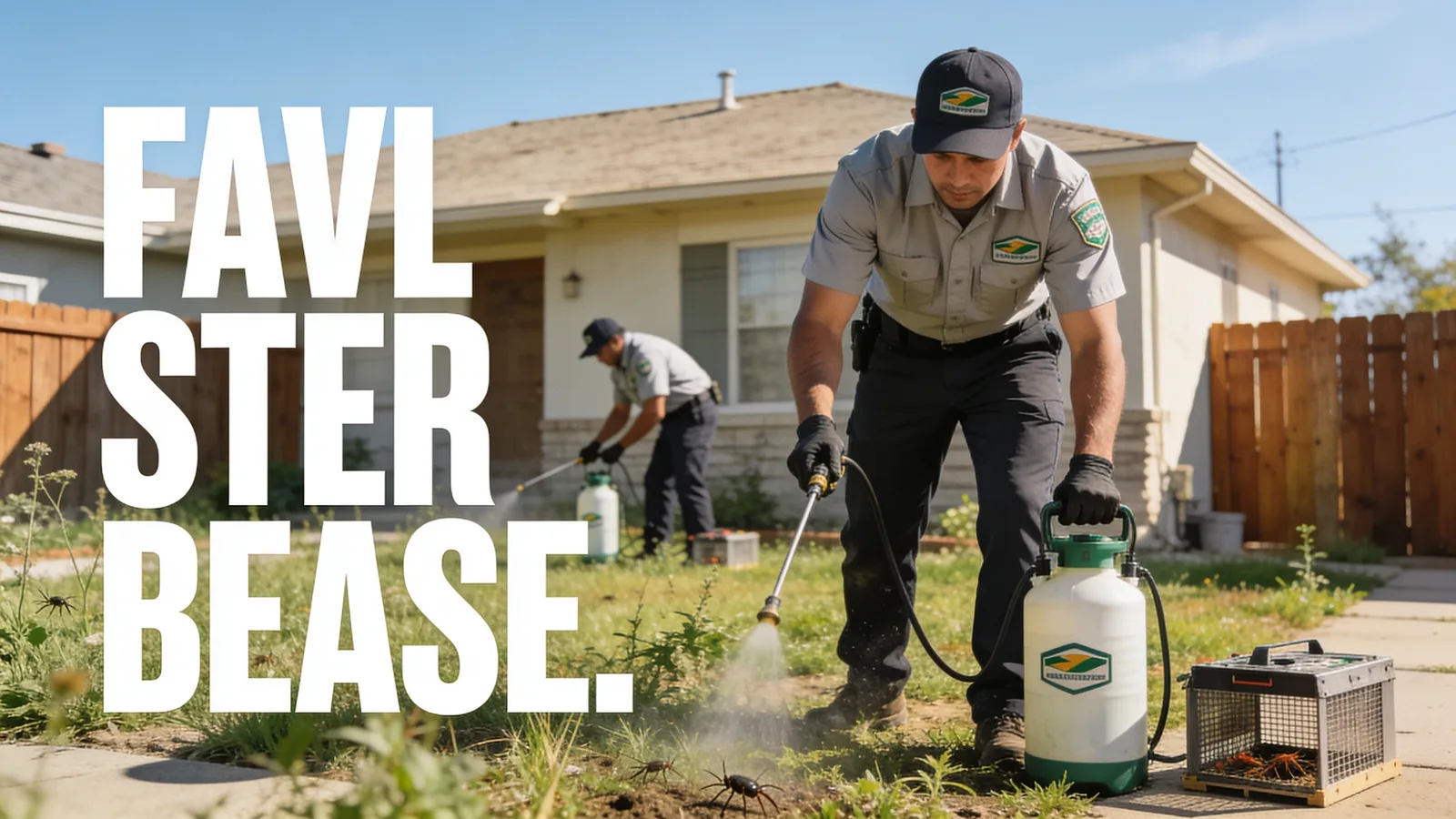
European wasps are a late-summer problem across the Northern Suburbs. Nests start small in spring and grow through the warm months, and by February and March a single nest can hold thousands of wasps. They are drawn to barbecues, bins, pet food and fallen fruit, and they can sting more than once. Paper wasps are the other common kind, building small open nests under eaves, pergolas and fence rails.
European wasp nests are often out of sight. They can be underground in lawns and garden beds, inside wall cavities, in retaining walls or in roof spaces. The easiest way to find one is to watch where the wasps fly in a steady line, usually low and straight. Tell us what you have seen when you ring and we will book a nearby crew to find and treat the nest.
- Locating nests in the ground, walls, roofs and hedges
- Treatment of European wasp nests at the entry point
- Removal of paper wasp nests from eaves and pergolas
- Advice on keeping bins, fruit and pet food covered
Please do not try to block the entry hole or pour anything into it. Blocking it can push the wasps into the house through the wall. Keep children and pets well away until the crew arrives, and warn neighbours if the nest is near a shared fence. If someone is stung and feels unwell, call 000 in an emergency or ring a doctor.
Homes with fruit trees, compost bins and big back yards see the most wasps, and nests often turn up in the same spots from one year to the next. Call 03 7053 9823 to book wasp nest removal in the Northern Suburbs.