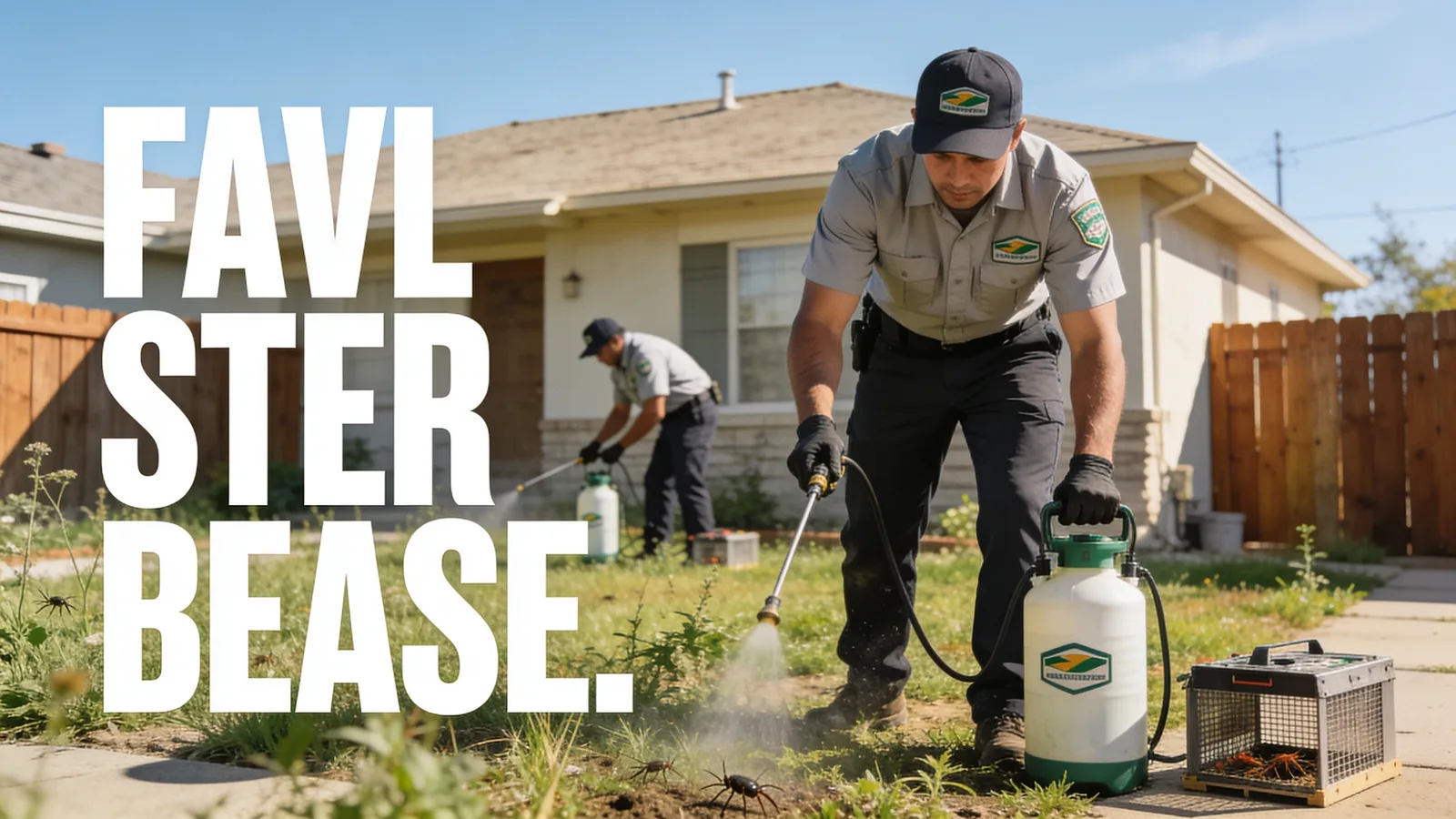
If your lawn has brown, dead patches that keep spreading in late summer and autumn, grubs may be eating the roots. Curl grubs, the larvae of African black beetles and other scarab beetles, feed just under the surface. Armyworm and sod webworm caterpillars chew the grass blades at night. In the Northern Suburbs, couch and kikuyu lawns are hit the hardest, and damage can spread across a yard within a couple of weeks.
A few simple checks help. Pull back a dead patch of turf. If it lifts like a loose carpet and you see C-shaped white grubs, curl grubs are likely. Magpies and ravens pecking at the lawn in the morning, small moths flying up as you walk across the grass at dusk, or chewed blade tips all point to caterpillars. Tell us what you have found when you ring.
- Checking the lawn to confirm which grub or caterpillar it is
- Treatment of the lawn and the edges of damaged patches
- Advice on watering after the treatment is applied
- Tips on mowing height and helping the grass recover
The crew we book applies a lawn treatment matched to the pest, usually watered in so it reaches the root zone. Keep children and pets off the treated lawn until it has dried. Dead patches take a few weeks to grow back, and a little fertiliser and regular deep watering help the recovery.
Lawn pest work can be booked on its own or added to a general pest visit for the house. Call 03 7053 9823 for upfront pricing on lawn pest treatment in the Northern Suburbs.